Extended travel is exciting, but figuring out what to pack for a long journey can feel overwhelming. After spending months abroad and navigating a wide range of climates, I created this free long trip packing list based on what I actually used and what I wish I had brought with me. Along with the list, I’m sharing packing tips that helped me stay comfortable, organized, and sane throughout long-term travel.
This guide reflects my personal travel style, which leans toward comfort while remaining budget-friendly. My hope is that it helps you prepare for smoother, more enjoyable long-haul adventures.
Why I Changed the Way I Pack for Long Trips
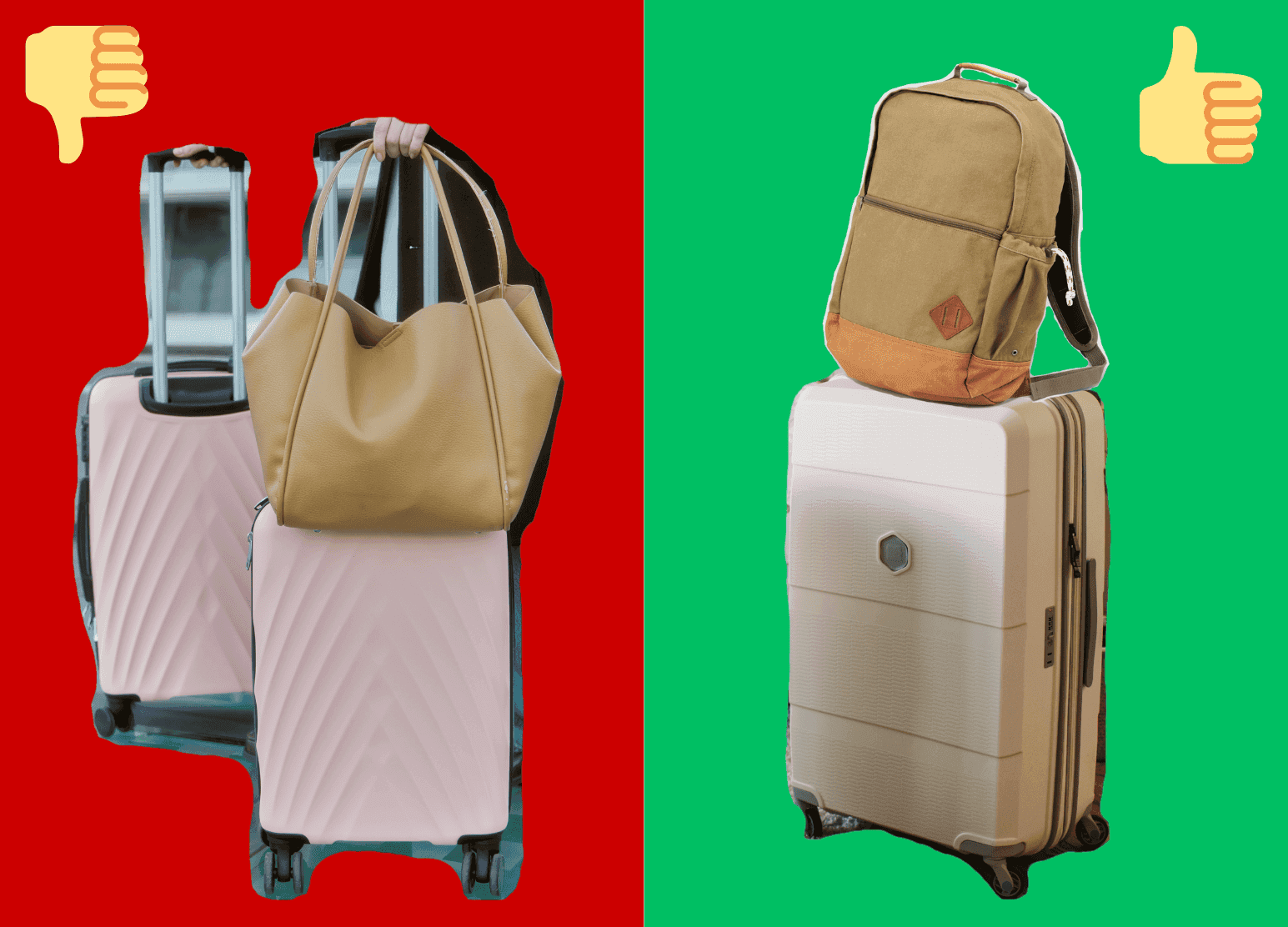
One of the biggest lessons I learned after months abroad was that the luggage you choose can make or break your trip. When I first started traveling long-term, I packed one personal item, one rolling carry-on suitcase, and shared a large checked suitcase with my boyfriend. This meant one of us was always stuck managing two rolling suitcases.
Navigating crowded sidewalks, cobblestone streets, uneven terrain, stairs, and packed public transportation quickly became frustrating. It slowed us down and added unnecessary stress to travel days.
Many minimalist packing guides recommend traveling with only a personal item and a carry-on. While this can work well for warm destinations or very minimal travel styles, it becomes far less practical when you’re moving between multiple climates or want to bring items that add comfort to long-term travel. It also isn’t very friendly to your back or overall body health.
Why I Prefer One Large Rolling Suitcase + One Personal Item
After trial and error, I found it much more practical to travel with one large checked-in suitcase and one personal item, such as a small backpack.
The benefits of this setup:
More comfort while flying
You can place your personal item in the overhead bin instead of squeezing it under the seat, giving you more legroom on long flights.
Room for souvenirs
You’ll have space for meaningful items you collect along the way without stressing about weight or space.
Space for comfort essentials
This setup allows room for layers, event-appropriate outfits, preferred toiletries, and small comfort items without feeling restricted.
Less strain on your body
Dragging a heavy carry-on while wearing a packed backpack is exhausting, especially if you’re carrying a duffel on your back and a personal backpack on your front. Maneuvering one larger suitcase with your personal item resting securely on top is much easier on your back and shoulders.
Of course, there are downsides. Checked bags often come with fees on domestic flights, and there’s always a small risk of delayed luggage. To reduce stress, I recommend packing one full outfit and essential toiletries in your personal item. That way, if your luggage is delayed, you’ll still be comfortable for 24–48 hours until it’s found and delivered — which is also why travel insurance is worth having.
Clothing
One of the easiest ways to simplify packing is to start with a cohesive color palette. When your clothing shares similar tones or complementary colors, you can mix and match outfits easily without overpacking.
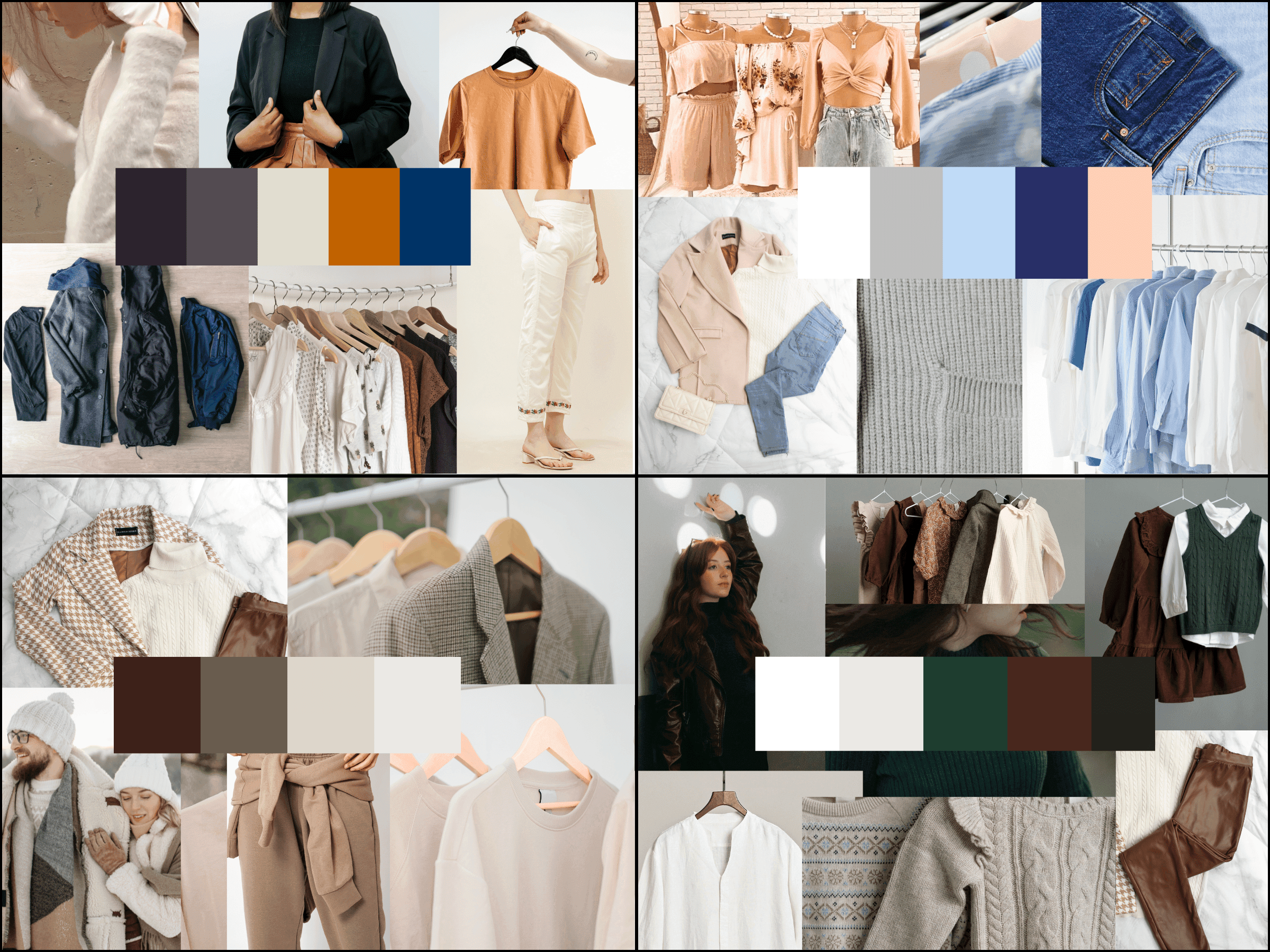 You can create your own wardrobe color palette via coolors.co
A few key clothing tips I learned along the way:
Choose low-maintenance, wrinkle-resistant fabrics. Linen, rayon, and lightweight cotton blends wrinkle easily. If it looks wrinkled in the store, it will definitely wrinkle in your suitcase.
This packing list is built around doing laundry about once per week. Each clothing category includes roughly 8 items, giving you enough outfits to rotate comfortably.
I recommend packing clothing for 8 days plus pajamas. On day seven, do laundry, and use the eighth outfit as your “laundry day” outfit so you’re never stuck without something clean.
Layering is essential for long-term travel. Lightweight sweaters, long-sleeved tops, leggings worn under pants, and packable jackets usually provide enough warmth without taking up too much space. The exact layers will depend on your destination and season.
If you’ll be traveling primarily in one climate, you can easily adjust quantities. For example, if you’re heading to a hot destination, shift items from the long-sleeve category into short sleeves. The list is meant to be flexible.
Side note for the ladies: Men’s boxers make surprisingly great pajama bottoms. They’re lightweight, comfortable, easy to wash, and I even used them as an extra layer under dresses on windy days.
Laundry Considerations
Many countries don’t use dryers, so air-drying clothes may take longer than you’re used to. This is especially important to plan for in colder or more humid climates. You might want to do laundry in smaller and/or more frequent loads to compensate. You can also build your wardrobe around items that dry quickly, like polyester or other lightweight fabrics.
Choosing the Right Shoes
Your shoe choices should reflect your activities. If you plan on going to fancy dinners or nightlife, you may want dressier shoes. Otherwise, these three shoes cover most travel needs:
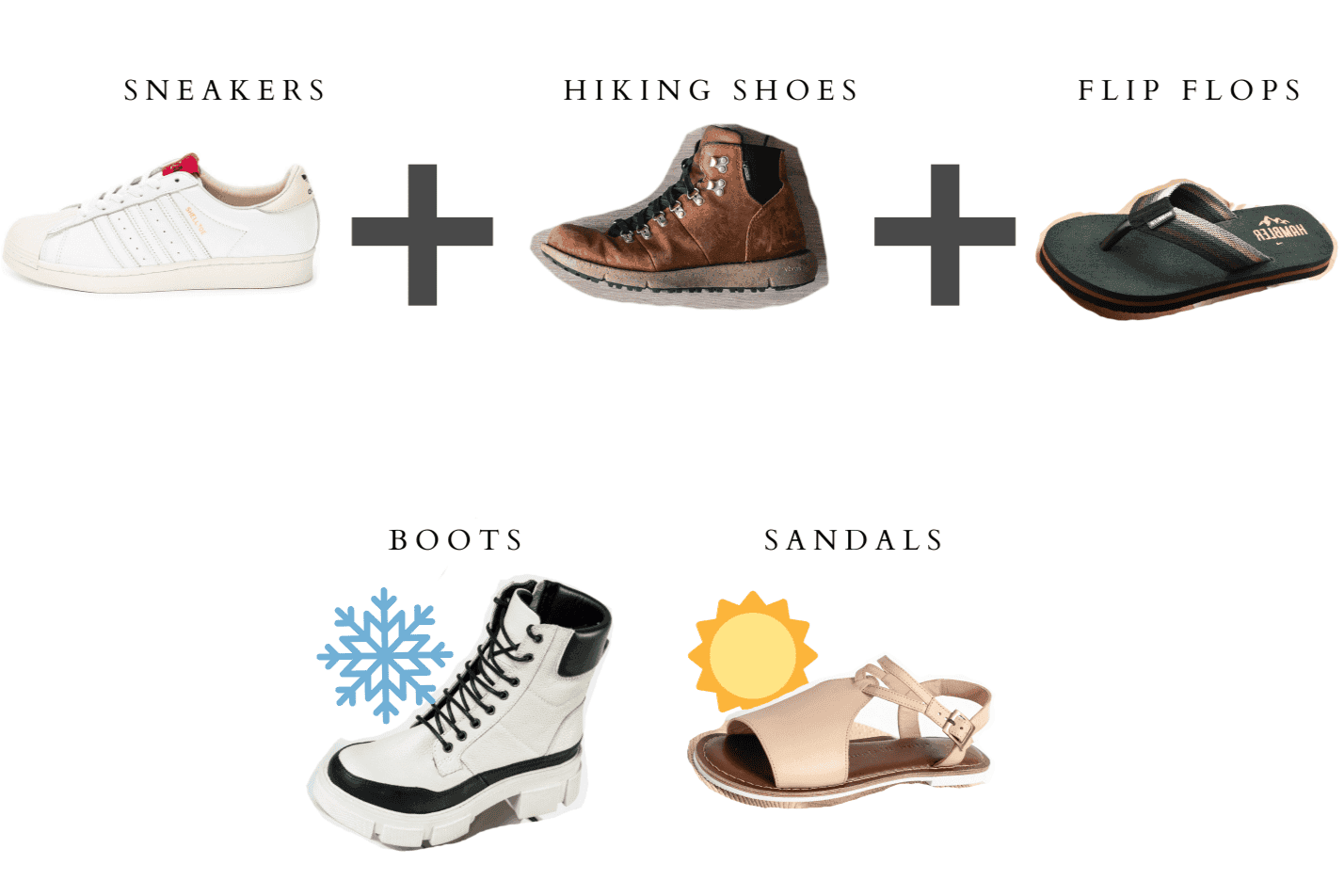
Everyday sneakers for long walking days.
Trail or hiking shoes for nature trips or rainy conditions (better traction than regular sneakers).
Flip flops for hostels, lounging, or the beach.
Optional to add:
Sandals for warm climates and casual outfits.
Boots for snowy, cold climates.
Toiletries
Toiletries are personal, so pack what you use on a daily basis. Travel-sized bottles for most essentials like shampoo, toothpaste, and skincare will be fine. Many hotels and Airbnbs provide basics, so you don’t need to overpack.
That said, if there’s a product you love and know you won’t easily find abroad, bring it with you in bigger quantities and add that to your checked luggage.
Medicines and Health Items
If you don’t have specific medical needs, a simple travel medical kit is usually sufficient.
One item worth highlighting is antacids (like Tums). Trying new foods or adjusting to different ingredients can upset your stomach, and I went through many during my travels.
Tech and Electronics
I highly recommend bringing a universal travel adapter with a built-in voltage converter. This ensures your devices charge safely, no matter where you are. Before you leave, double-check the voltage requirements for your electronics.
Make sure to bring all your electronic chargers, including a power bank to charge on the go. My phone ran out of juice almost on a daily basis.
Travel Documents
One detail many travelers overlook: saving your accommodation details on your phone. Customs forms often require the address and phone number of where you’re staying. If you're going to multiple places in a country, use the accommodation where you’ll stay the longest. Customs agents may also request proof of onward or return travel, so keep your outbound flight details readily accessible.
For Remote Workers
For you remote workers out there, please note, prepare for less-than-ideal setups. Most hotels and Airbnbs don’t have ergonomic chairs, and you may find yourself working at a dining table or even on the bed. Yes, even when filtering for “Dedicated Workspaces” in Airbnb, there is a chance the workspace will be the dining table. A travel seat cushion or using a neck pillow as lumbar support can help. Pillows from your accommodation can work too, though comfort varies.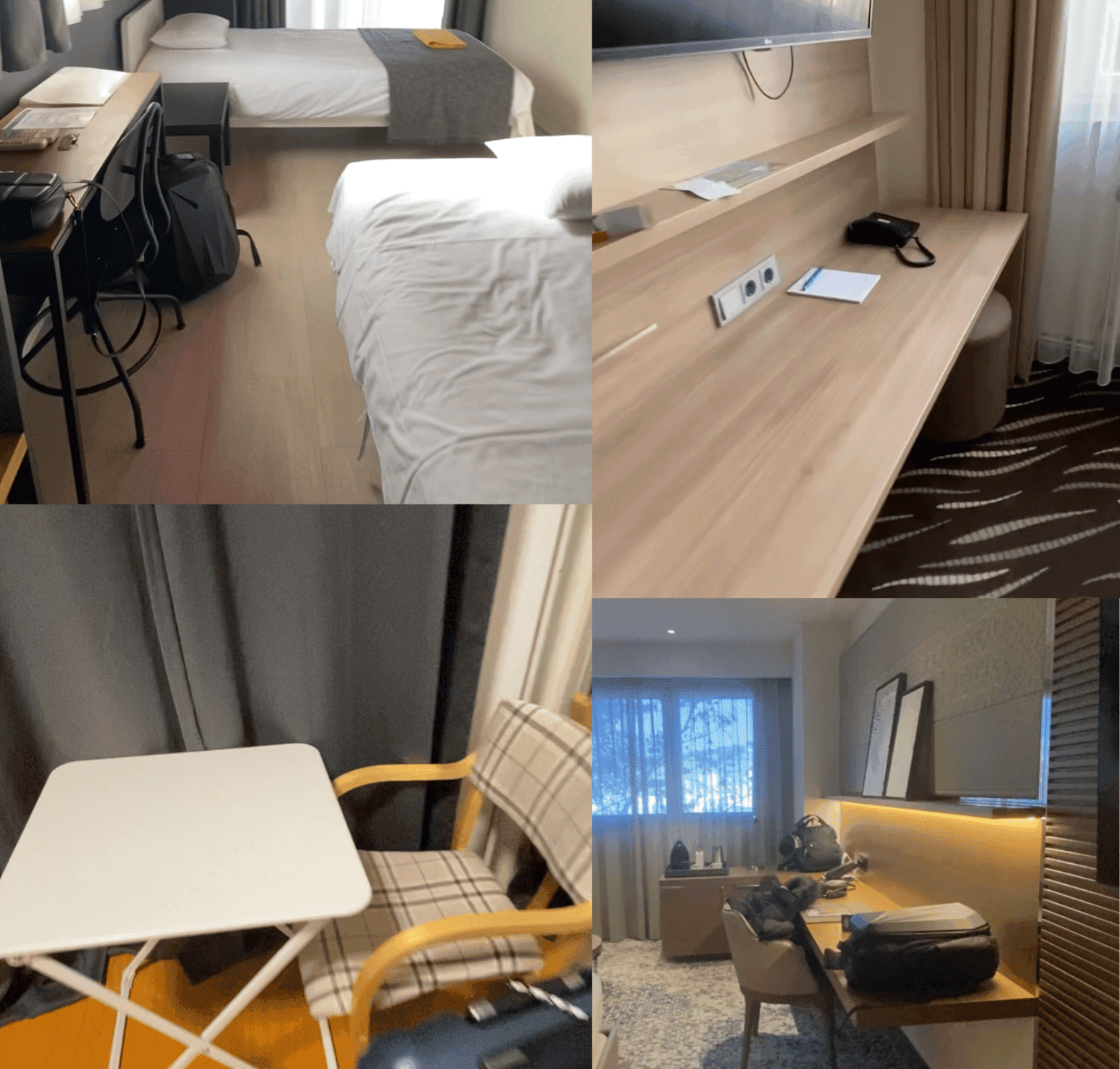 Here are some examples of hotels and Airbnbs I've been to in the past with a dedicated workspace.
Budget Tips for Buying Packing List Items
If you still need to purchase travel gear, wait for seasonal sales. In the U.S., Black Friday, Memorial Day, Cyber Monday, and Travel Tuesday often offer big discounts. I bought my North Face jacket for nearly $100 off during one of these sales.
Download the Free Packing List
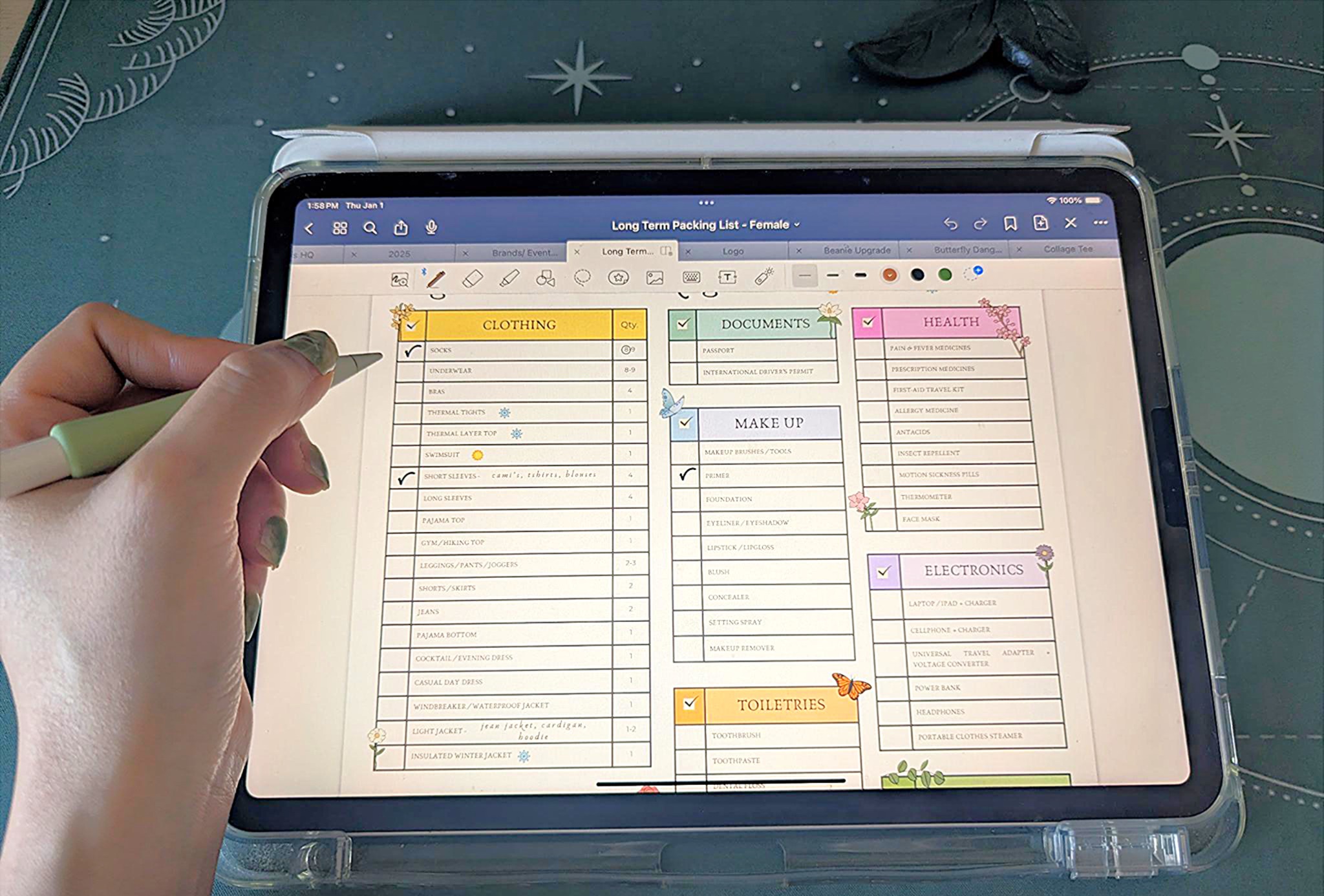
Ready to start preparing for your extended adventure? Download my free long trip packing list below. It includes clothing quantities, gear, toiletries, documents, and comfort items that made long-term travel easier for me.
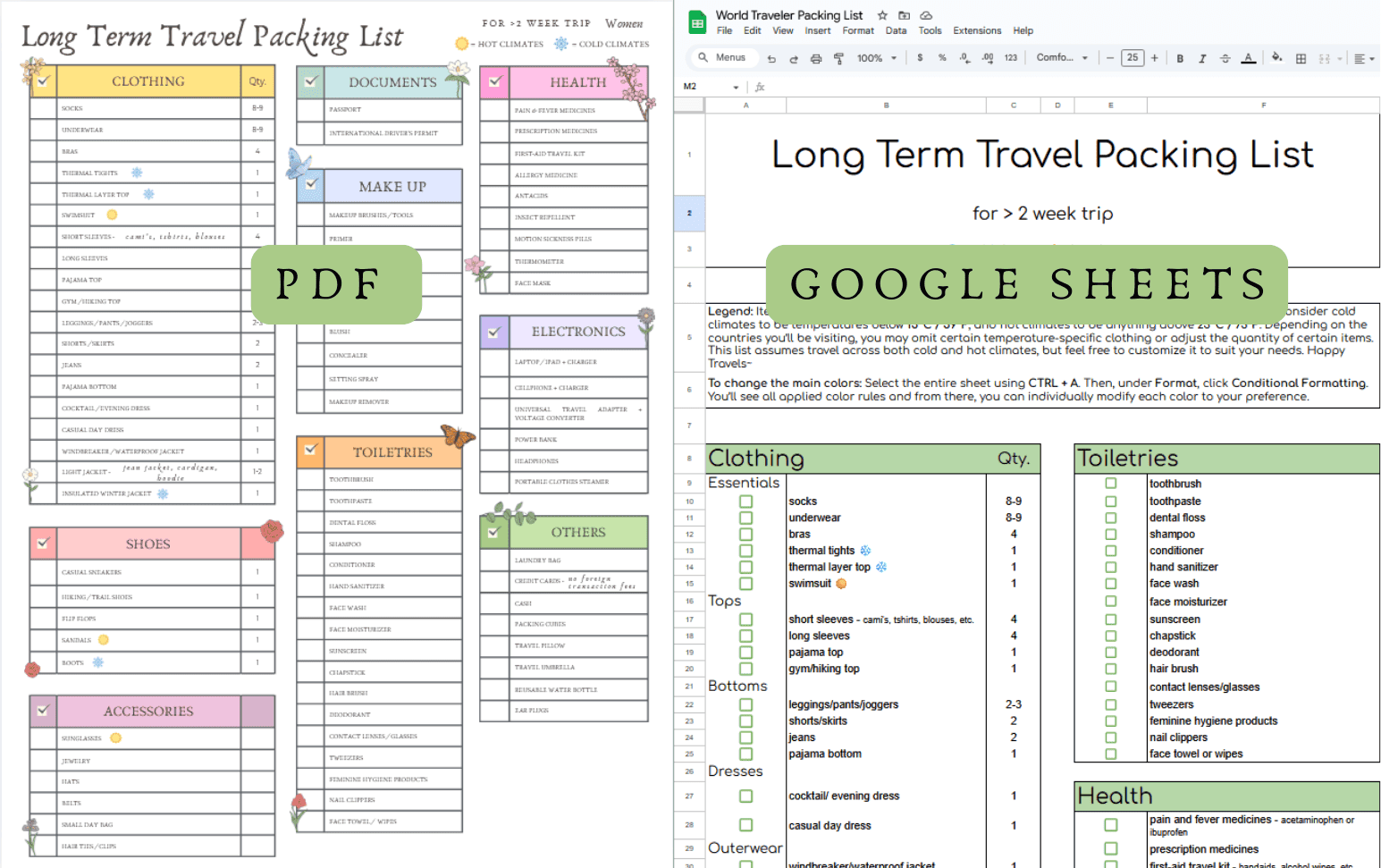
This list is designed for travelers moving through both hot and cold climates, and the Google Sheets version is fully customizable. It worked for me during a year of travel and is equally helpful for trips longer than two weeks.
The packing list is available in Google Sheets and PDF format.
Packing List Legend & Temperature Guide
In the packing list legend, temperature ranges are based on my personal comfort levels. I hope this helps you decide what items to pack:

Hot / sunny climates: 23°C / 73°F and above (no jacket needed)
Mild climates: 16°C / 61°F to 22°C / 72°F (light jacket or hoodie)
Cold climates: 15°C / 59°F and below (thick winter coat recommended)
Use these guidelines as a reference and adjust based on your own temperature tolerance and destinations.