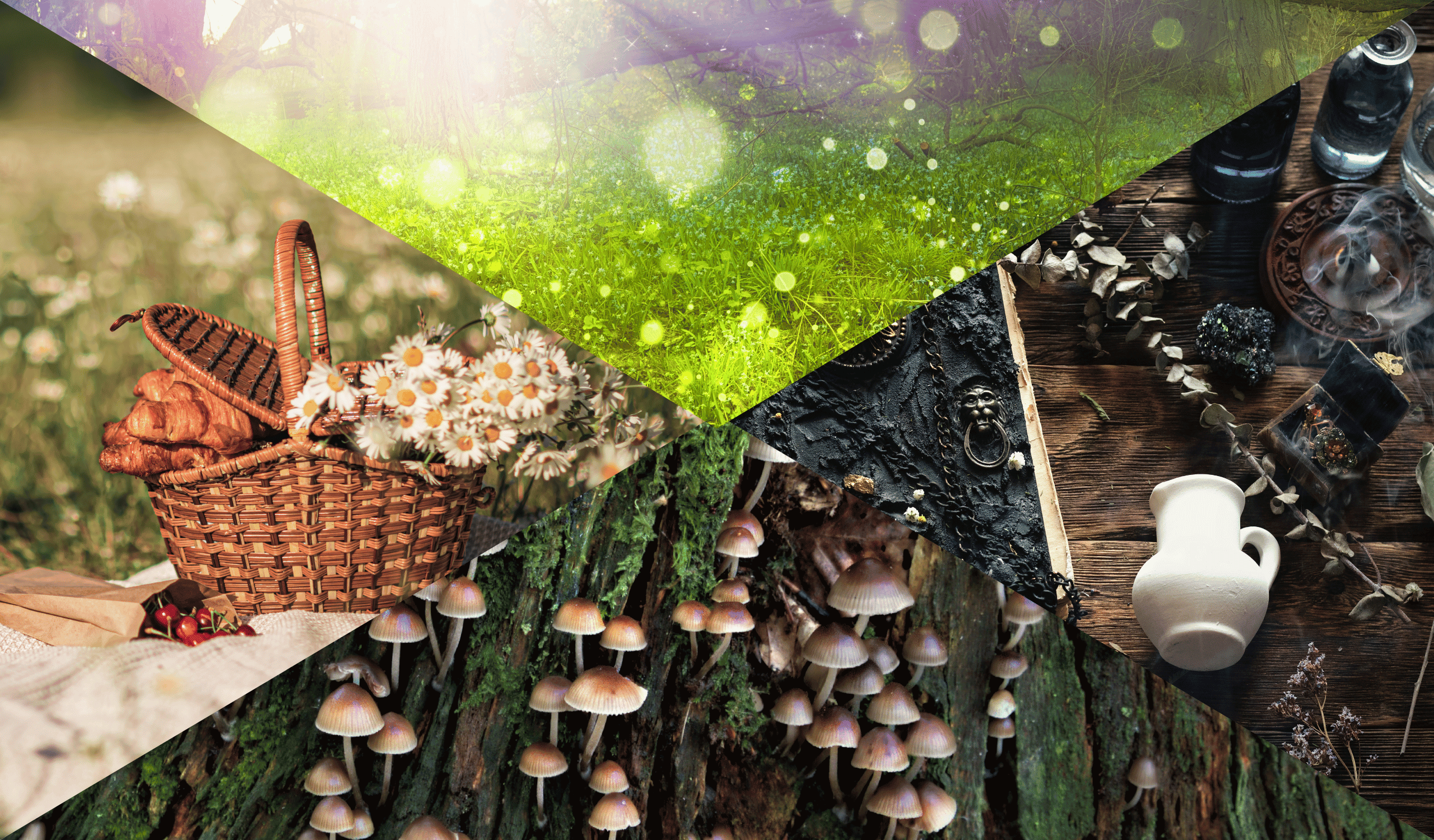
With the growing number of aesthetics out there, I wanted to research and visualize the differences and similarities of the ones I gravitate towards. I'm talking about four big-name aesthetics: Cottagecore, Fairycore, Goblincore, and Witchcore. Each has carved out its own distinct corner of internet culture, yet together they form what I call the Nature Aesthetics: a family of visual and lifestyle philosophies united by a single life view, nature as identity.
The Nature Aesthetics Defined
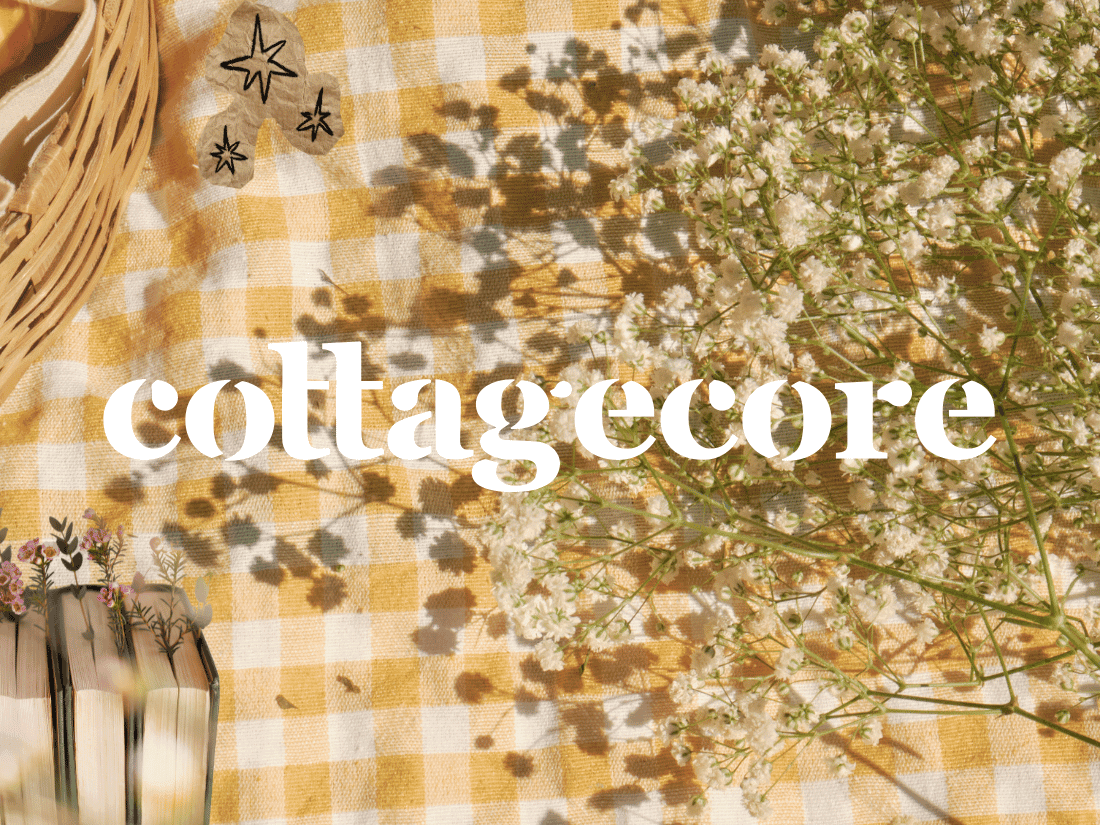
Cottagecore = Romance + Nature.
This is the most widely recognised of the four. It presents nature through a romanticised lens. Think wildflower bouquets, relaxed foraging, freshly baked bread cooling on a windowsill, and countryside rendered in golden-hour light. Cottagecore isn't really about nature as it is; it's about nature as we wish it were: idyllic, unhurried, and deeply cosy.
Similar aesthetics: Farmcore and Grandmacore.
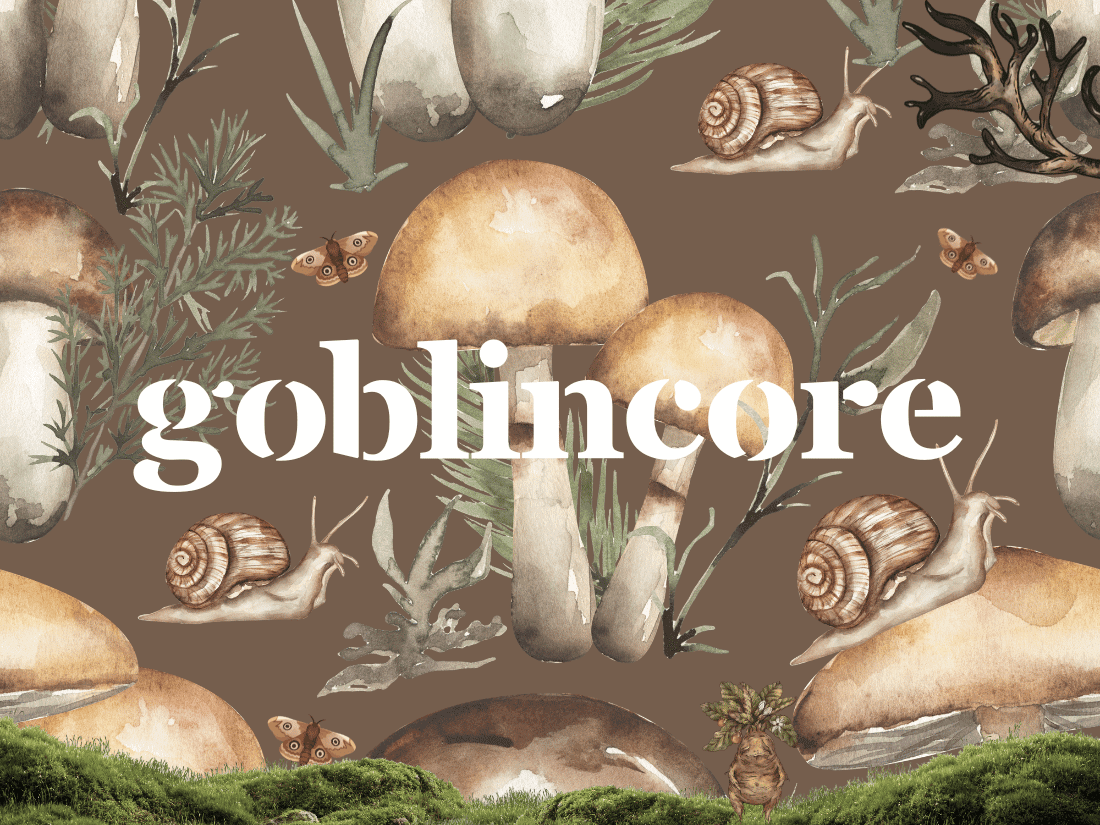
Goblincore = Unromanticized + Nature.
Goblincore is the antidote to the pretty. It revels in the overlooked, the damp, and the strange: mud, river stones, shed snakeskin, the shadowy parts of nature. Where Cottagecore idealises nature, Goblincore accepts and even celebrates its unfiltered reality.
Similar aesthetics: Green Academia
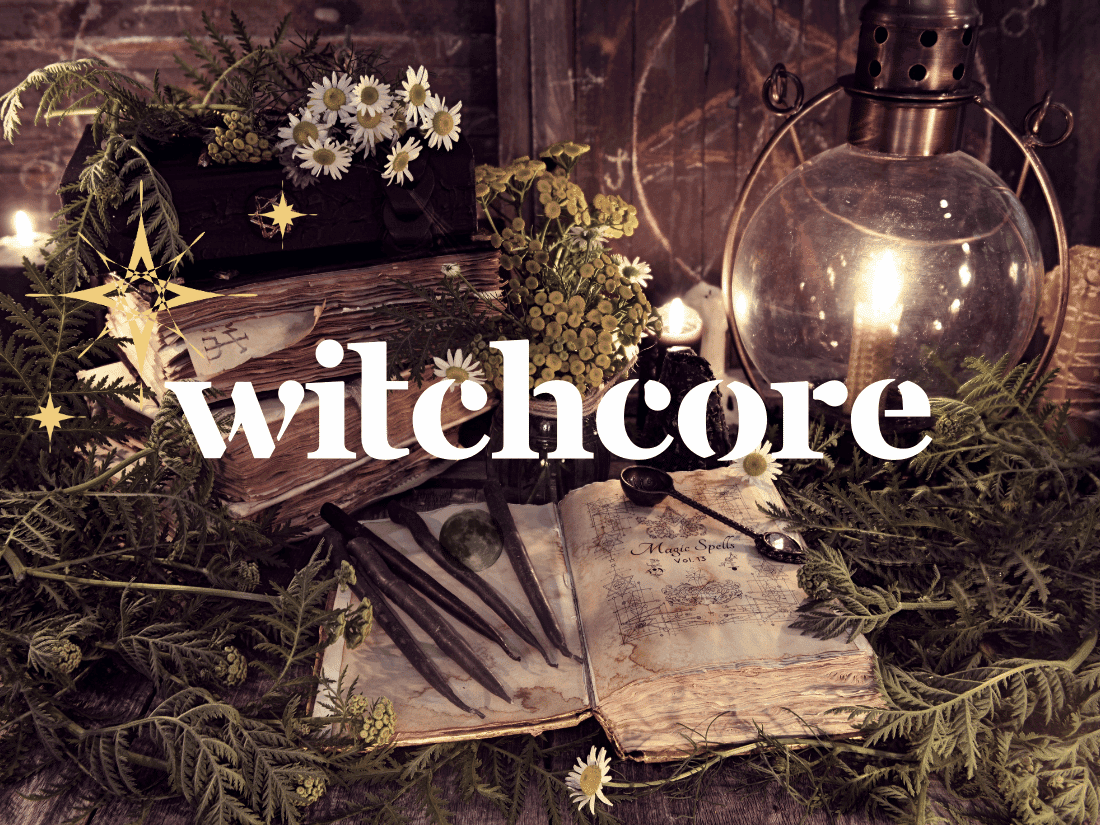
Witchcore = Spiritual + Nature.
Witchcore approaches nature as sacred. Herbs hung to dry, moon phases charted, earthy rituals, and potions. Nature here is spiritual infrastructure, a living system that works in both its light and its darkness.
Its sibling aesthetic, Whimsigoth, is similar enough that the difference is worth clarifying. Whimsigoth leans into the visual language of Witchcore, such as deeper tones, moody colour palettes, and occult-adjacent imagery, without the grounding in actual spiritual practice. It seems to draw heavily from the Hollywood interpretation of witchcraft in the 1990s, particularly the visuals of films like Practical Magic and The Craft. Mixing nature with a gothic atmosphere, but worn as a style rather than a practice.
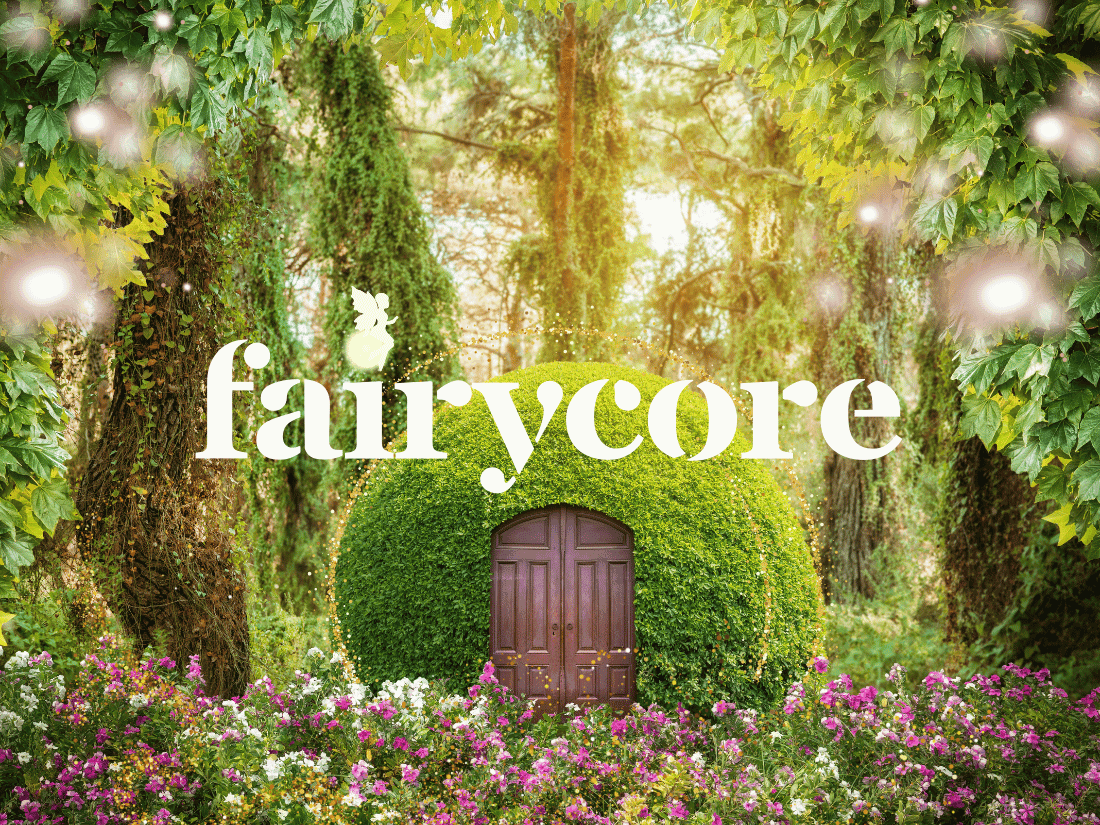
Fairycore = Ethereal + Nature.
Fairycore is the light, romantic magic of nature. Sheer fabrics, luminescent mushrooms, morning dew, and an ever-present sense of wonder. Where Cottagecore romanticises the human relationship with nature, Fairycore dissolves any boundary between the natural and the fantastical entirely.
Similar aesthetics: Elfcore and Fantasycore
How They Overlap
Think of these aesthetics as flower petals and Nature living at the center like the pistil of the flower. They all share nature as their core archetype, but they are also connected to one another through specific shared qualities.
Fairycore and Cottagecore share a fondness for light. Both are drawn to brightness, softness, and warmth. One finds it in a sunlit kitchen; the other finds it in an enchanting forest where magic seems to shimmer in the air.
Cottagecore and Goblincore are connected by realism. Both are grounded in the tactile and the domestic, even if one scrubs the mud off and the other wears it proudly. Sitting between the two is Dark Cottagecore. It retains the pastoral romanticism of Cottagecore but shifts the focus toward darker colour palettes, gothic motifs, and nocturnal aspects.
Goblincore and Witchcore meet in the shadow: united by a love for nature’s overlooked and uncanny sides: moonlit forests, hidden corners, quiet mysteries, and the strange, thriving beauty that grows in the dark.
Witchcore and Fairycore are linked by magic. One reaches for it through ritual and spiritual practice; the other simply assumes it was always there.
Why It Matters
These aesthetics resonate because they offer different answers to the same quiet longing: a more felt relationship with the natural world. Whether you're drawn to the dewy softness of Fairycore or the honest grit of Goblincore, you're reaching toward the same thing: a connection to nature, just from a different perspective.
So which one resonates with you?