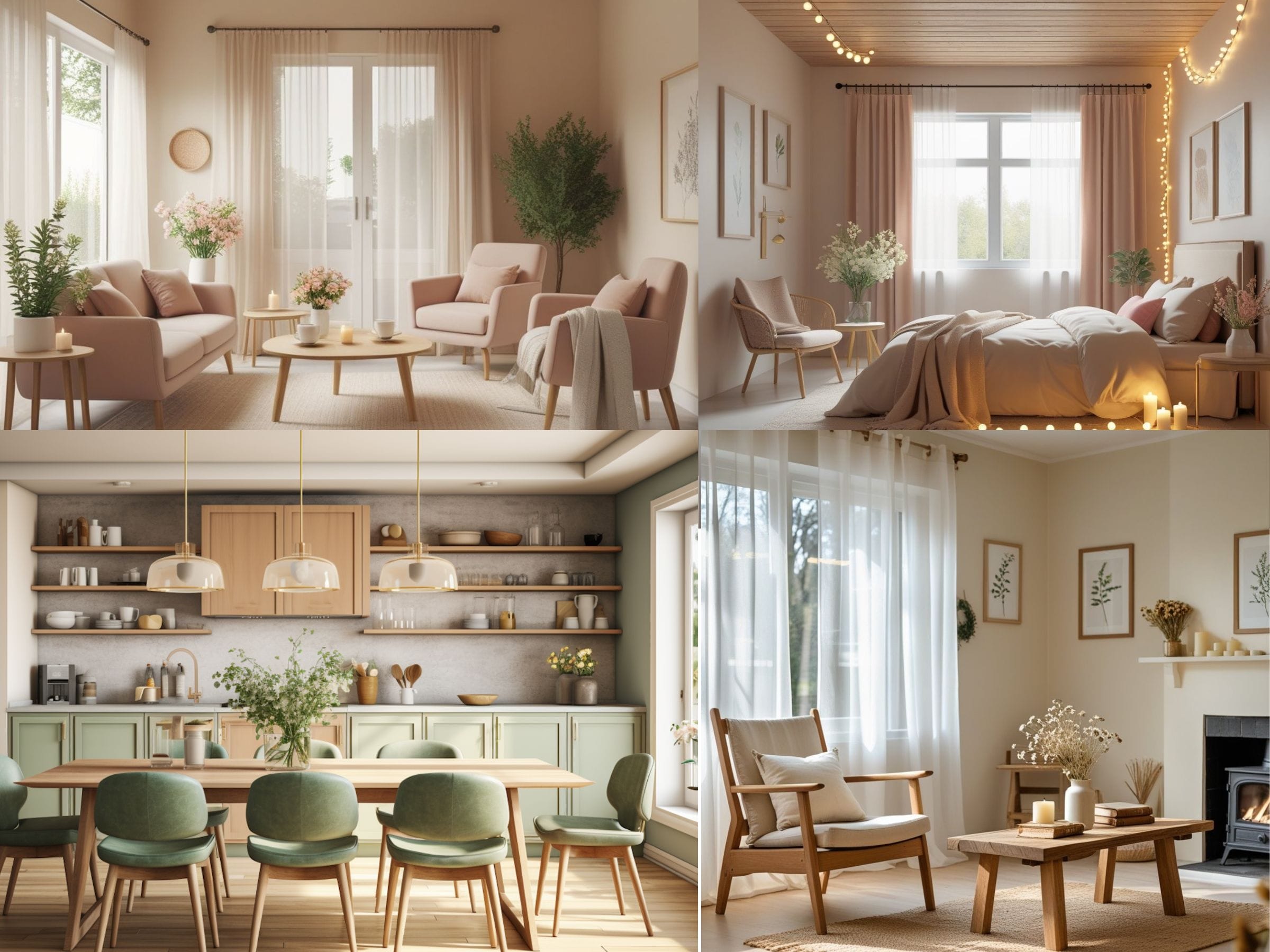
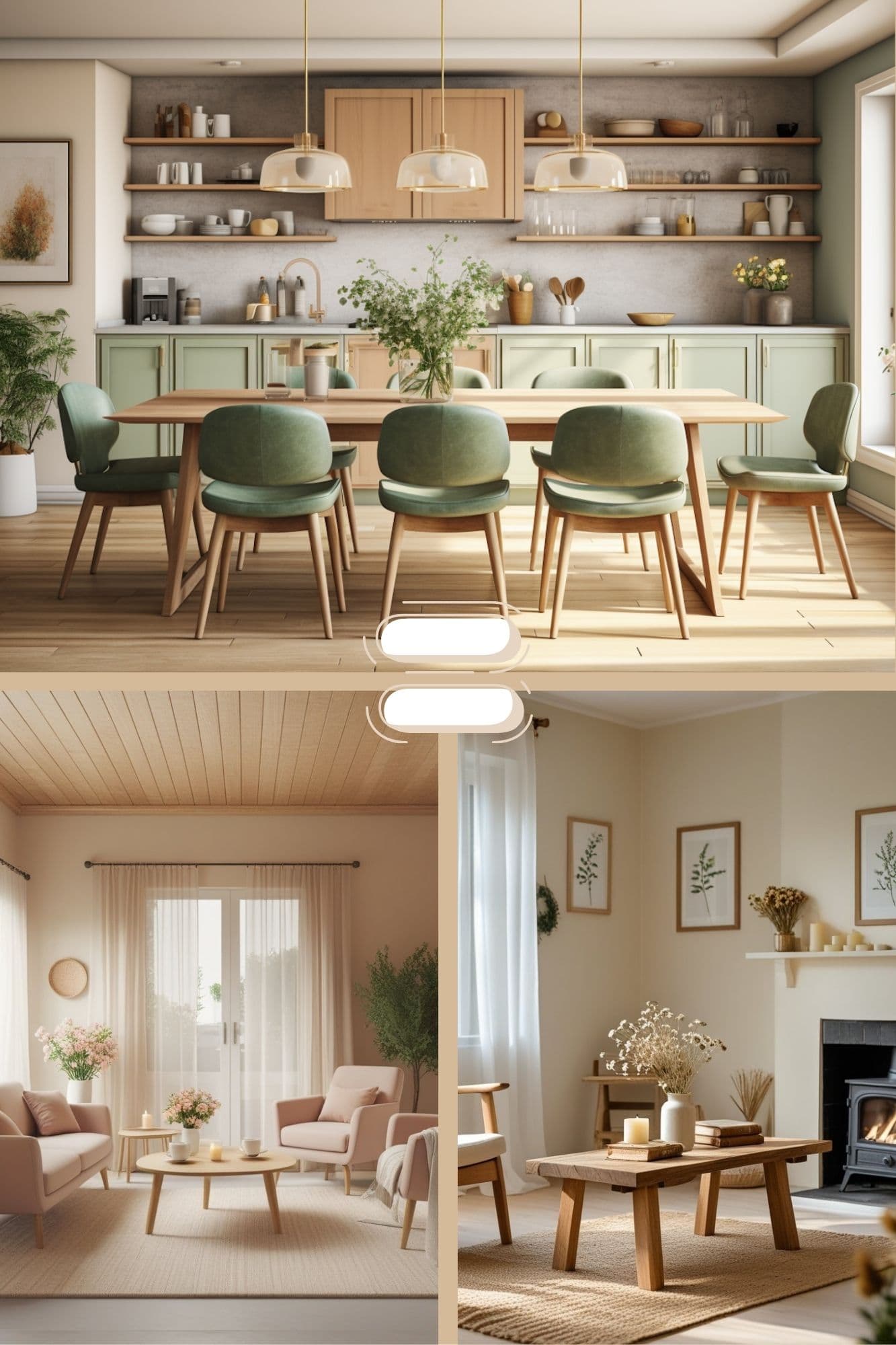
Minimal Cottagecore, also known as Clean Cottagecore, harmonizes two seemingly opposite styles: the fairytale visuals of Cottagecore with the mental clarity of minimalism, not stripping away charm but thoughtfully gathering it. Minimal Cottagecore infuses softness, warmth, and storytelling into clean lines.
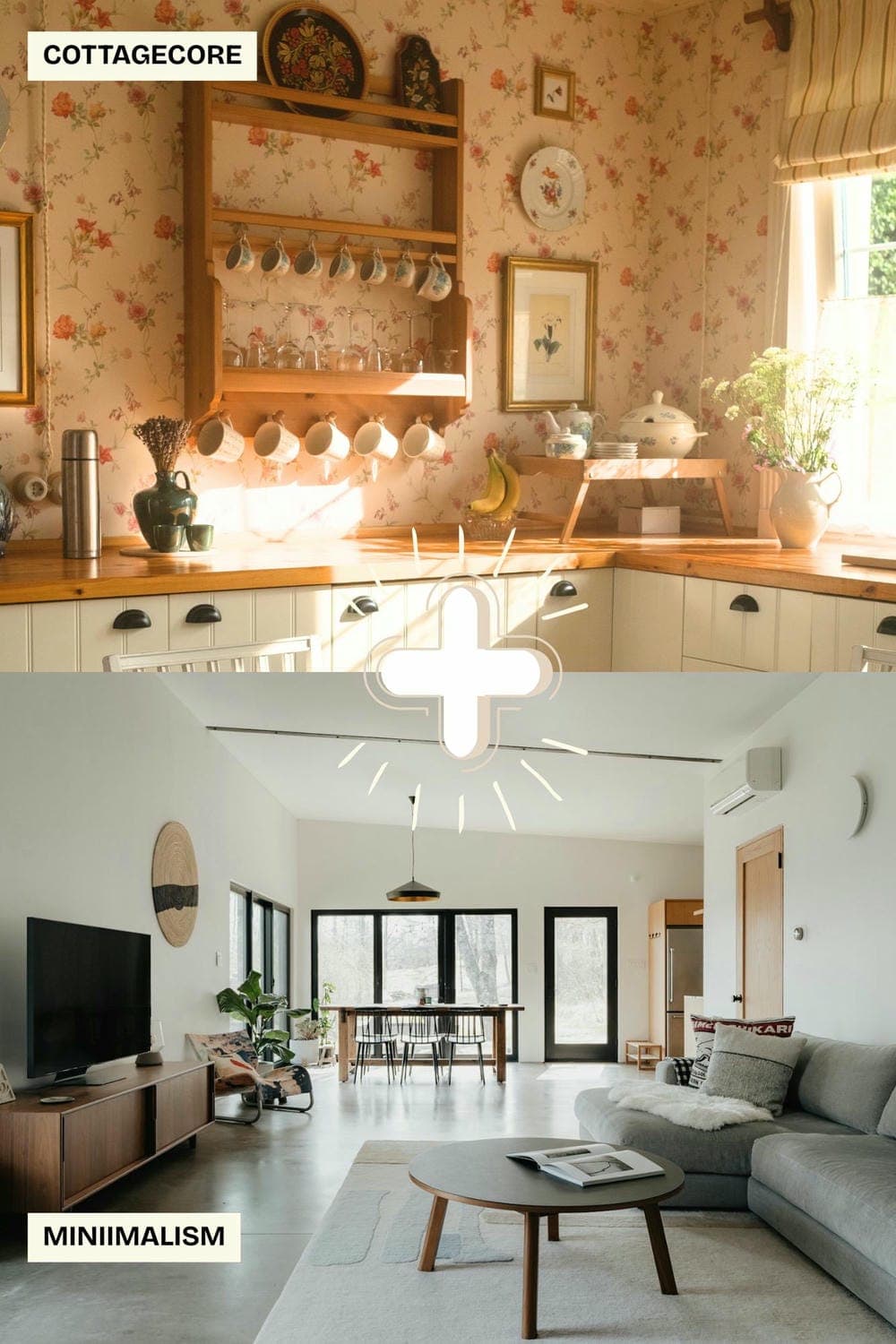
This style speaks to those who love the natural beauty, warmth, and whimsy of cottage life, from wildflowers in vases to baking bread. Yet it also caters to the desire for a calm, uncluttered space, a canvas for both rest and imagination. It takes away the downsides of both individual styles. Minimalism on its own can feel stark or impersonal, and traditional Cottagecore might become visually overwhelming for the senses.
Similar Styles & How They Compare
Minimal Cottagecore shares similarities with other home decor styles. These interior design styles also celebrate nature, calm space, and functionality, yet each has its differences:
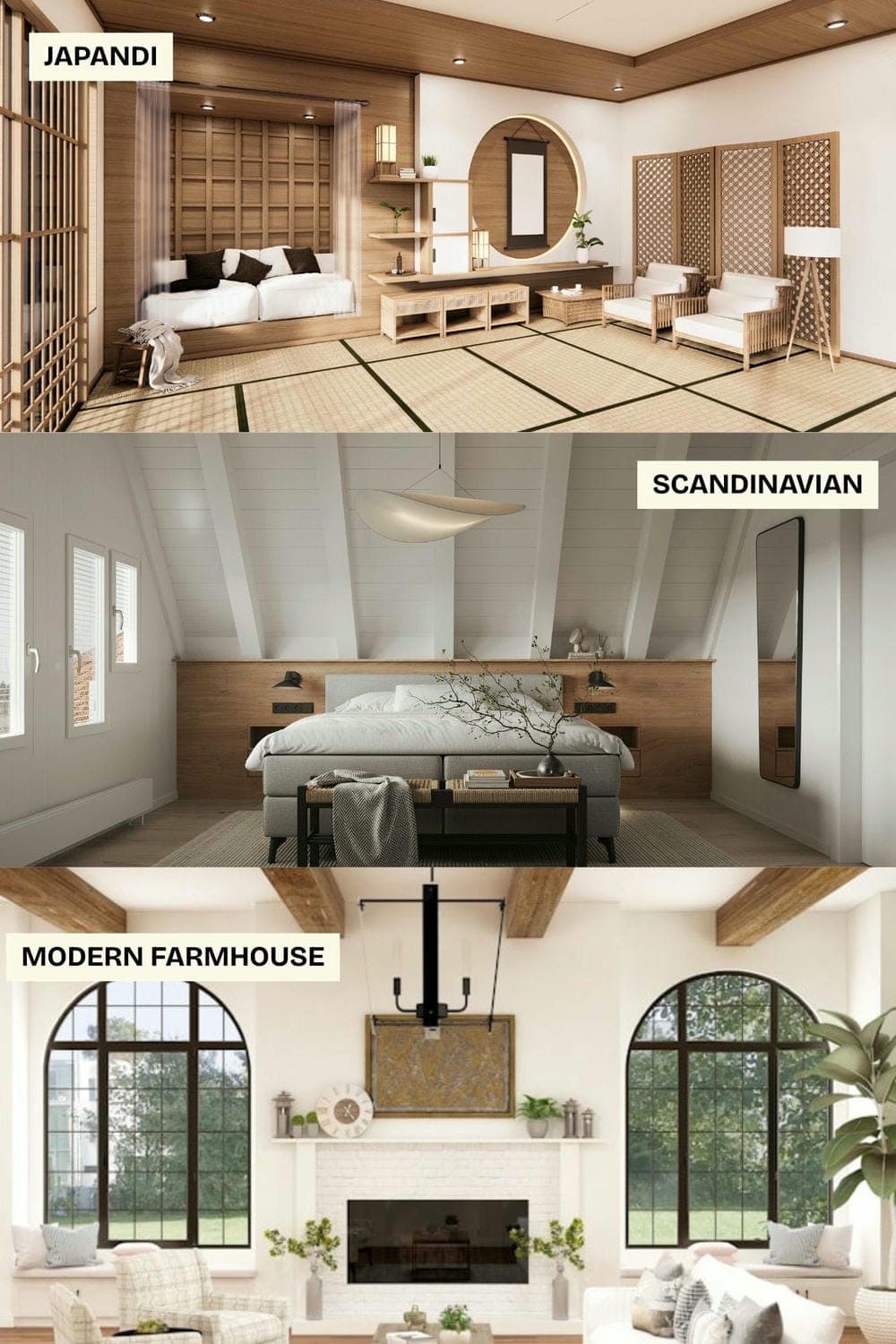
Modern Farmhouse: Use of bold accents (black, gold, and nickel metals) for modern finishes - like cabinet knobs, furniture pieces. Farmhouse styles also feature shiplap walls and rustic barn doors.
Scandinavian: Although this design employs warm colors, it primarily utilizes cool neutral color palettes, with a focus on minimalism and functionality.
Japandi: The design incorporates elements of both traditional Japanese and Scandinavian styles, utilizing materials such as bamboo, rattan, and paper lanterns.
Although they all appreciate openness, light, and a harmonious atmosphere, Minimal Cottagecore stands out with either a stronger visual connection to nature and/or rustic romantic fantasy.
How to Create a Minimal Cottagecore Home
Here is a practical guide for creating a personalized Minimal Cottagecore home.
1. Start with the Minimalist Foundation
Keep functionality front and center; everything in your home should have a purpose. Declutter, only keeping what you love or use regularly.
Functional furniture with clean lines and modern silhouettes keeps it light, while textures bring warmth.
Choose open layouts to create an airy and spacious environment.
Maximize natural lighting - keep windows clear or use light, sheer curtains.
Stick to a restrained color palette to avoid visual noise.
2. Add Cottagecore Charm Through Details
Mains colors should be warm neutrals such as creamy white, beige, and taupe. These colors will be used for the walls and large furniture pieces.
Gentle accent colors: sage green, earthy brown, and soft pastels - lavender, blush pink.
Natural materials: use of weathered wood, linen, stoneware, ceramics, and greenery.
Curated rustic décor: potted herbs, trailing vines, floral bedding, handcrafted mugs, vintage-inspired dinnerware, cozy pillows, and framed nature art
Indoor plants and small trees add a sense of freshness and texture, bringing the beauty of nature indoors.
Additional Nature-Inspired & Whimsical Touches
This is where the fairytale touch comes in:
Twinkling lights or fairy lights for a soft, magical glow
Crystal suncatchers casting rainbows across the room
Candles for romance and coziness
Handcrafted items—woven baskets, handmade pottery, or knitted throws, each telling its own story
The goal is to make your home feel light, open, and calming, yet romantic and magical, like the first morning in a country cottage. While Cottagecore can be a maximalist design aesthetic, keeping to a small color palette throughout the home and keeping things nice and tidy will go a long way to avoid that.
In short, Minimal Cottagecore is the harmonious blend of minimalism's clarity and the warmth of rural romance. To create a Minimal Cottagecore home, begin by decluttering one room, adding a vase of fresh flowers, or incorporating a soft neutral color palette. Each of these small steps brings you closer to a home that feels both peaceful and enchanting. If Cottagecore isn't exactly your style, you can also explore other similar aesthetics listed above!